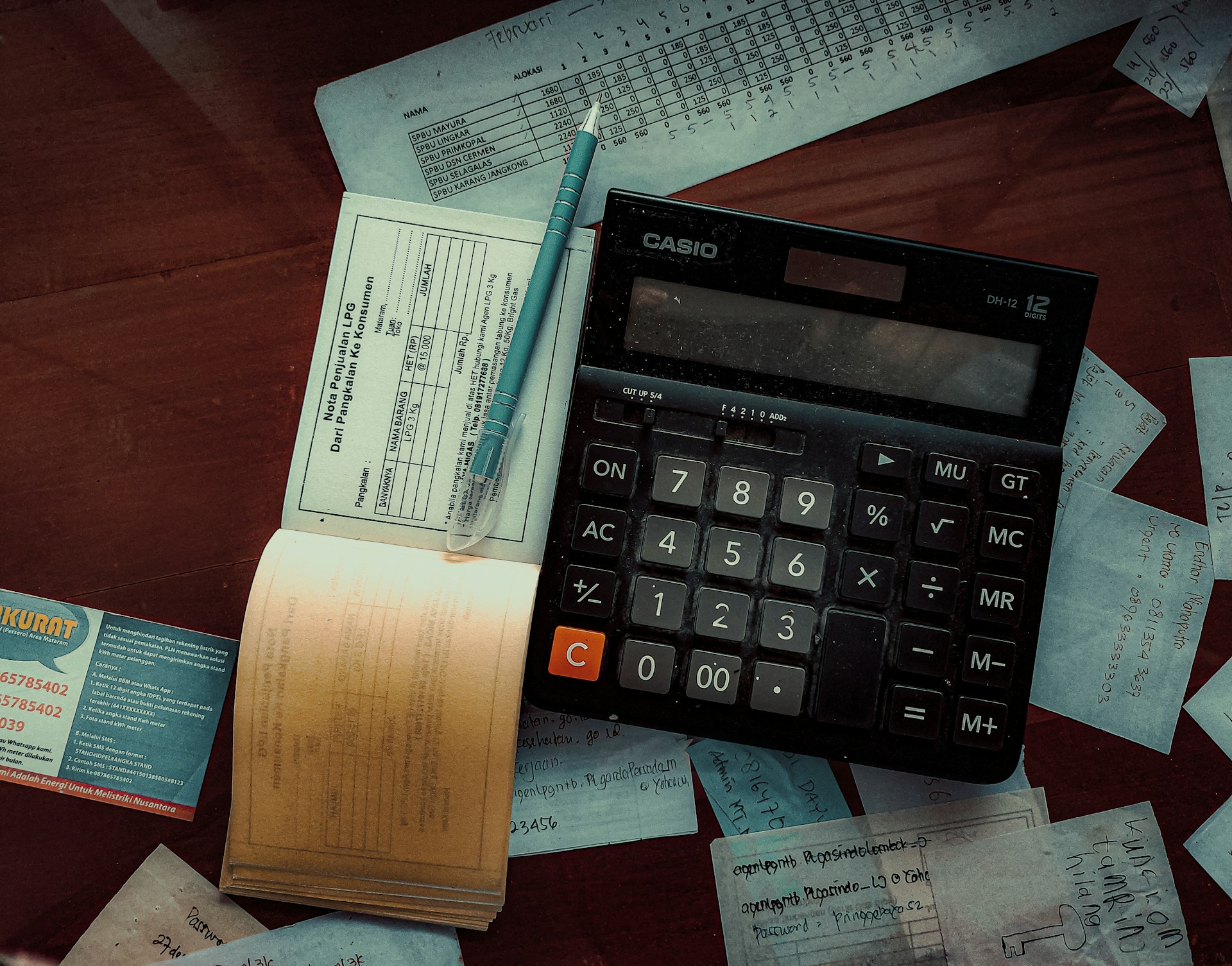
What you probably weren’t dreaming about was spending your Sunday nights staring at a mountain of crumpled receipts, trying to remember what that $47.50 charge at Office Depot was for three months ago.
Enter bookkeeping.
Often dismissed as just “data entry” or a chore saved for tax season, bookkeeping is actually the heartbeat of your business. Let’s strip away the dry accounting jargon and talk about what bookkeeping really is, why it matters, and how it can actually give you your life back.
What is Bookkeeping, Really?
In the simplest terms, bookkeeping is the process of tracking every single dollar that moves in and out of your business. It’s the daily, weekly, and monthly habit of recording transactions, balancing accounts, and organizing receipts.
Think of your business like a car. The product or service you sell is the engine, but the financial data is the dashboard. Without proper bookkeeping, you’re essentially driving down a highway at 70 mph with a taped-over fuel gauge and a broken speedometer. You might be moving fast, but you have no idea when you’re going to run out of gas.
Bookkeeping vs. Accounting: What’s the Difference?
People often use these terms interchangeably, but they serve different purposes:
- Bookkeeping is about the present and past. It’s the continuous recording of daily financial transactions and keeping things organized.
- Accounting is about the future. An accountant takes the beautifully organized data from your bookkeeper to analyze trends, build tax strategies, and help you make big-picture decisions.
The golden rule: You can’t have good accounting without accurate bookkeeping.
3 Ways Good Bookkeeping Saves Your Sanity
1. Goodbye, Tax Season Terror
We’ve all been there—that creeping dread as April approaches. But when your books are kept up-to-date throughout the year, tax season becomes just another Tuesday. Instead of scrambling to find missing invoices, you simply hand a clean, accurate financial packet to your CPA.
2. You’ll Actually Know If You’re Making Money
It sounds obvious, but a healthy bank balance doesn’t always equal a profitable business. You might have $10,000 in the bank, but if you have $12,000 in upcoming bills and unpaid taxes, you’re in trouble. Bookkeeping gives you a crystal-clear view of your real cash flow, so you can invest, hire, or save with total confidence.
3. You Catch Mistakes (And Fraud) Early
Bank errors happen. Double-billings happen. Subscription traps happen. When you (or your bookkeeper) reconcile your accounts every month, you catch these anomalies immediately, rather than discovering six months later that you’ve been paying for software you never used.
How to Get on the Right Track
If your current financial organization system is “a shoebox under the desk,” don’t panic. You can start turning things around today with three simple steps:
- Separate your business and personal life: If you do nothing else today, open a dedicated bank account and credit card for your business. Mixing personal and business expenses is a nightmare to untangle later.
- Embrace automation: Cloud software like QuickBooks or Xero can sync directly with your bank feeds, doing a lot of the heavy lifting for you.
- Set a weekly date with your numbers: Block out just 30 minutes every Friday to categorize transactions and look over your numbers. Treat it as an unbreakable appointment.
Conclusion
At the end of the day, good bookkeeping isn’t just about math; it’s about peace of mind. It’s the feeling of knowing exactly where your money is going, exactly how much profit you’re making, and exactly who to call when tax season rolls around. You shouldn’t have to lose your weekends to spreadsheets just to keep your business afloat.
If you’re ready to trade that financial fog for total clarity, we should talk. We handle the daily numbers so you can focus on the big picture.